
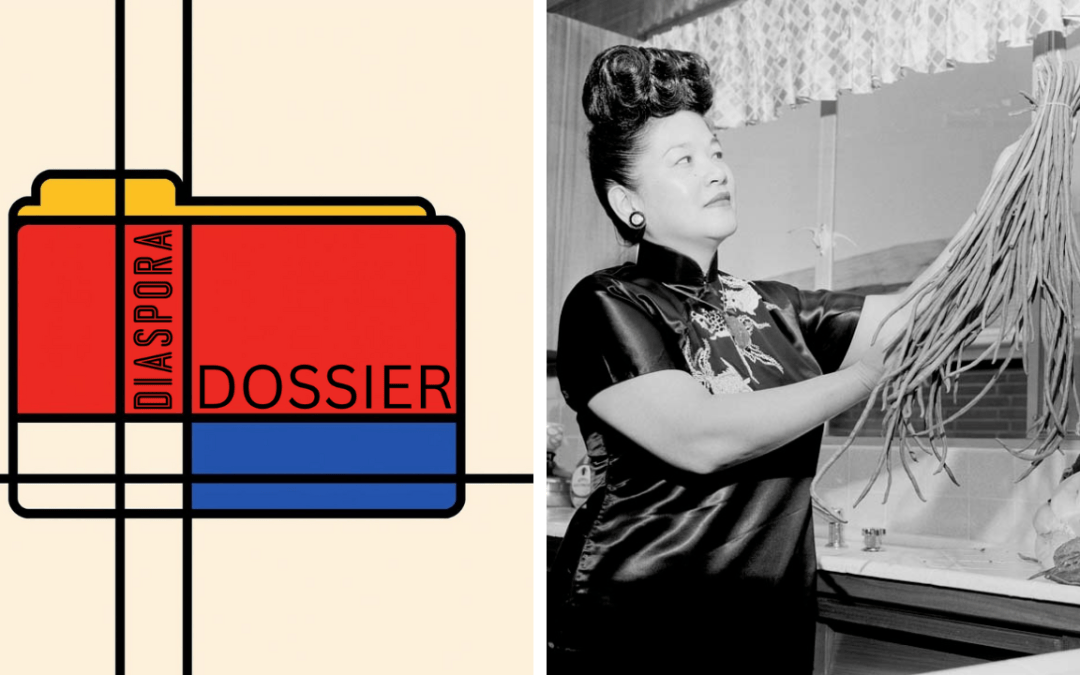
Born in Seattle to Chinese immigrants during a time when anti-Chinese rhetoric was plaguing the country, Ruby Chow blazed many a trail for Asian Americans — especially Asian American women.
In the late 1940s, she opened Ruby Chow’s Restaurant in Seattle’s Beacon Hill. It was the first Chinese restaurant in Seattle outside of Chinatown. At a time when most restaurants were segregated, the pioneering establishment was a cultural crossroads where the Chinese community and non-Chinese patrons could come together to enjoy Asian cuisine, long before Panda Express existed. The restaurant soon became a gathering space for community members, artists, and political figures — blending food with cultural diplomacy.
When Bruce Lee moved to Seattle, he found his way to Chow’s restaurant, and she hired him. In Water Mirror Echo: Bruce Lee and the Making of Asian America, author Jeff Chang details her connection to Lee and her involvement in his career. Chang writes that Chow and her husband, Ping, agreed to take Lee in as a favor to his parents, whom the Chows often visited in Hong Kong.
“From her place in the front of the house, Ruby never forgot a name and wasn’t shy about putting people in their place.” Chang also writes: “Ruby was aware that Bruce had been a famous actor and dancer in the colony, but when she took a first look at him, she was unimpressed.”
Lee lived with the Chows, and Ruby didn’t mince words and told the future martial arts legend: “I’m not your mom or dad, I’m your aunty. You’re in my household.”
Chow and her husband’s restaurant skyrocketed to success, and they were passionate about promoting Chinese cuisine. They released cookbooks, appeared on local TV shows, and eventually had their own cooking show for two years on KSTW-TV. To add to her accomplishments, she and her husband launched the first Chinese frozen food business in the country.
In 1973, she became the first Asian American elected to the King County Council and would go on to serve three terms. She advocated for racial equity in employment and housing, and she was a huge supporter of minority-owned businesses. She also supported the preservation and revitalization of Seattle’s Chinatown–International District.
Chow was a force in the culture, building AAPI solidarity, bridging the gap between Seattle’s Chinese, Japanese, and Filipino communities — long before the term “AAPI” existed. She was an active mentor and encouraged young Asian girls to develop their own voice while normalizing a strong AAPI presence in civic life, breaking the “silent and obedient” stereotypes that were often associated with Asian women.
Chow was a strong pillar in the AAPI community and in politics, and she continues to inspire generations of Asian American leaders to enter public service.